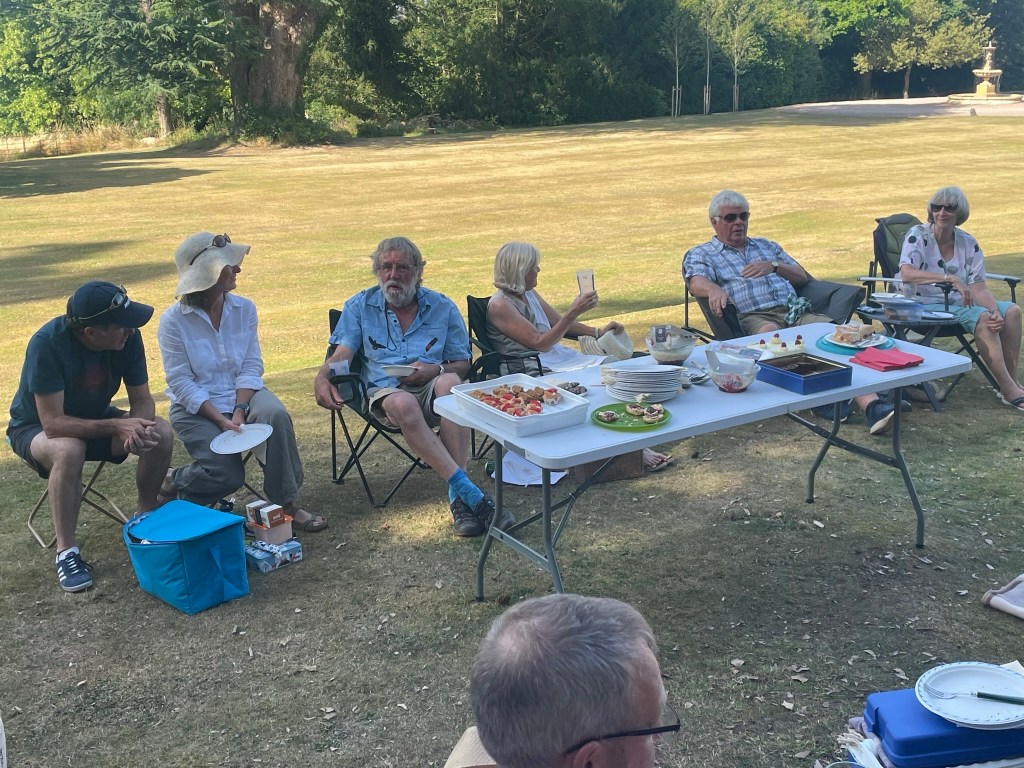
NBKA had a lovely afternoon at the best village show in West Gloucestershire!
We sold quite a few jars of honey and discussed many aspects of bees and beekeeping with visitors to our stand. The display hive was very popular – especially with younger visitors.
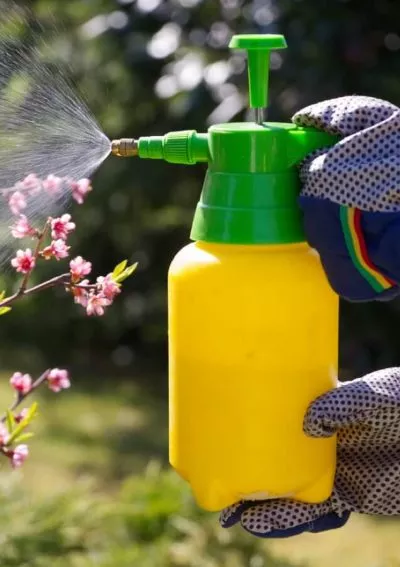
As you may know, most pesticides can pose a risk to humans and animals. For this reason, ConsumerNotice.org have published a free guide with organic, homemade, and agricultural alternatives.
Our hives are there for several purposes: 1) As a resource for training new beekeepers 2) A place for non-beekeeping members to gain experience 3) To provide honey for the landlord as part of our ‘rent’ 4) To allow members to try out techniques that may not be appropriate at their own apiaries 5) To allow more experienced beekeepers to practice queen rearing 6) To provide a pleasant location to meet and discuss bee experiences
The Apiary has its own equipment and space for activities and about a dozen hives currently.
We depend on regular attendance during the busy season to conduct the club activities and share the load on inspections, training, queen rearing, swarm prevention measures etc. It is also useful to appreciate the benefit of good record keeping when attendees change from week to week.
In addition there is the regular maintenance of the grounds, hives, equipment, and facilities for which rotas are usually organised to share the load.
Can all club members consider ‘doing their bit’ by attending the practical sessions as regularly as possible, and volunteering for the supporting tasks wherever they can. We really do depend on each other to make the club a success and to continue our role in support of pollinators, beekeepers, and would-be beekeepers (our future membership!). The executive committee will really appreciate any support in this.
BeeConnected is a new way of undertaking a long-standing practice: farmers informing beekeepers of an intention to apply an insecticide. To join please create a logon at the BeeConnected website. Farmers can register on the system and then identify a field they are planning to spray with an insecticide by dropping a pin in the on-screen map. Then, using the drop down menus, they simply enter the insecticide they will be using, the crop they are spraying, and the date they are spraying, and a basic notification will be sent out to neighbouring beekeepers registered on the system. Beekeepers can register on the system and simply map the location of their bee hives by dropping a pin in the on-screen map. They will then receive a notification by email when a spray event is due to take place within the vicinity of a hive.
Dr Anna Oliver and the NHMS Team at https://honey-monitoring.ac.uk aim to use honeybees to monitor long-term changes in the condition and health of the UK countryside. For the scheme to work they need the help of beekeepers to collect honey samples from across the UK and intend to continue to do this for many years. These samples will analysed using advanced DNA barcoding techniques to identify the species of plant pollen present. This will tell what bees are feeding on in different parts of the country and at different times of year. This information will help identify possible threats to the floral resources of pollinating insects.
To join in you need to create a log in at the honey monitoring website and then visit the ‘Taking part’ tab, click on ‘request a sample pack’ and follow the instructions to create a submission. They only ask a couple of questions, importantly location, to enable a pack request. This needs to be done every time you desire a new sample pack. Sample packs for this year’s honey crop can be ordered until October 7th.






 Newent Branch of Gloucestershire Beekeepers
You must be logged in to post a comment.