News Updates

Your Bees This Winter

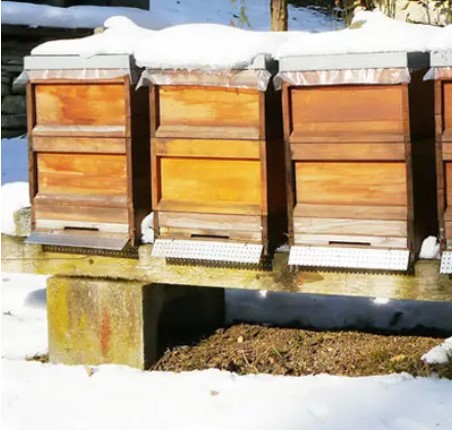
Several of our beekeepers are reporting the loss of colonies due to the recent spells of cold weather.

Have you lost a colony (colonies)?
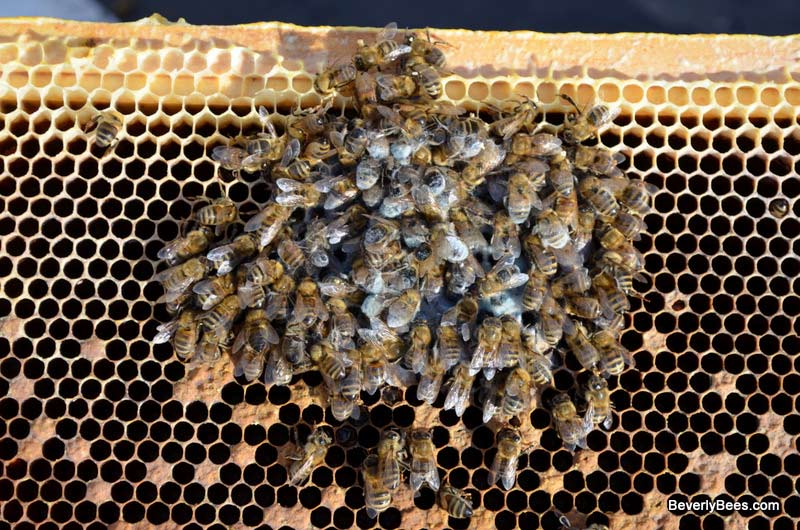
In order to gauge the severity of the problem, and try to define the most probably causes of colony loss we would like to hear from you.

Please email newentbees@googlemail.com or burrowsadrianj@gmail.com indicating how many colonies you keep and how many have died. One of us will follow up with a request for further details. We will hope to identify a major cause and (possibly) methods to avoid losses in future years.
Gloucestershire BKA Spring Show

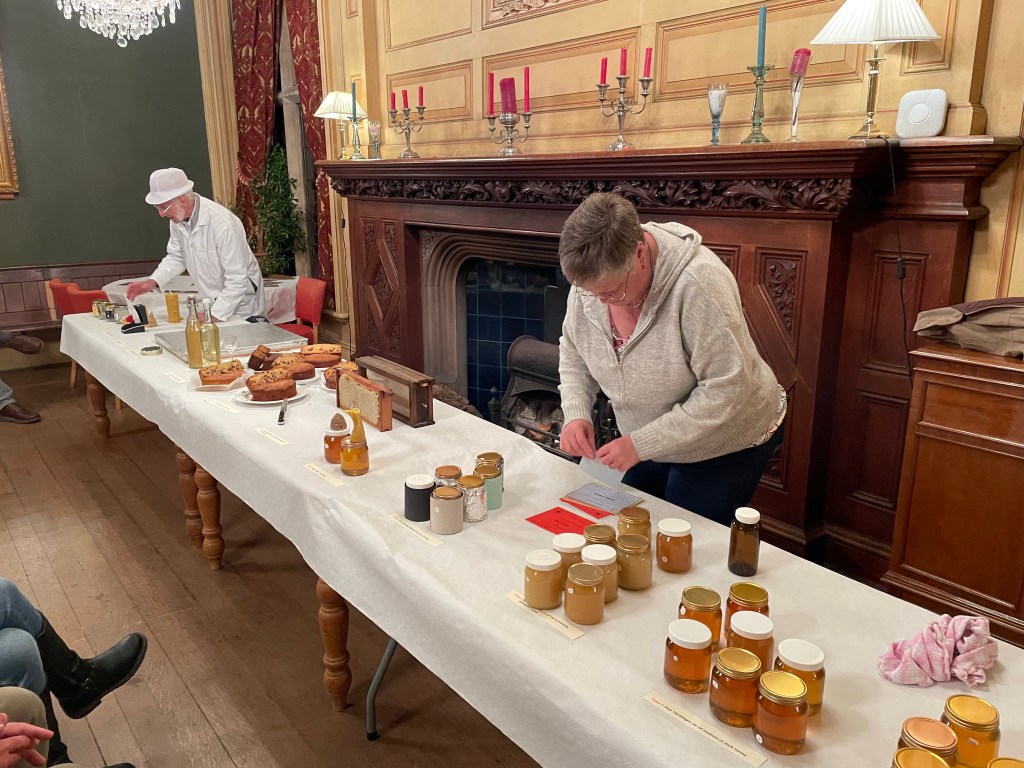
Honey Show, Lectures, and AGM
Saturday 18th February from 10am to 4pm
Royal Agricultural University, Cirencester GL7 6JS


Entry Form for Honey Show is here: Entry Form
Agenda for AGM is here: Agenda

The programme for the Day is:
10.00 – 10.45 Arrival, Honey Show registrations and refreshments
10.45 – 11.00 Welcome by Cirencester and District and introduction to speaker:
11:00 – 12:00 Recent research in honeybees – speaker Norman Carreck
12:00 – 13:00 Lunch break – lunch will be provided
13:00 – 13:30 GBKA Annual General Meeting and Honey Show awards
13:30 – 14:30 The Asian Hornet threat – speaker Andrew Durham
14:30 – 15:00 Tea and coffee
15:00 – 16:00 The Mind of a Bee – speaker Lars Chittka
16:00 Event close

The end of American Foul Brood (AFB)? In USA anyway!

A recent BBC News Item:
By Madeline Halpert (BBC News, New York)
The US has approved use of the world’s first vaccine for honeybees.
It was engineered to prevent fatalities from American foulbrood disease, a bacterial condition known to weaken colonies by attacking bee larvae.
The US Department of Agriculture (USDA) approved a conditional license for the vaccine this week, according to the biotech firm behind its development.
As pollinators, bees play a critical role in many aspects of the ecosystem.
The vaccine could serve as a “breakthrough in protecting honeybees”, Dalan Animal Health CEO Annette Kleiser said in a statement.
It works by introducing an inactive version of the bacteria into the royal jelly fed to the queen, whose larvae then gain immunity.
The US has seen annual reductions in honeybee colonies since 2006, according to the USDA.
The USDA says many, sometimes overlapping, factors threaten honeybee health, including parasites, pests and disease, as well as a phenomenon called Colony Collapse Disorder, which occurs when worker bees abandon a hive and leave behind the queen.
Pollinators such as bees, birds and bats are responsible for about a third of the world’s crop production, according to the United Nation’s Food and Agricultural Organization.
American foulbrood disease poses a challenge for beekeepers as it is highly contagious and has no cure. The only treatment method requires burning the colony of infected bees along with the hives and equipment and treating nearby colonies with antibiotics.
The new vaccine contains an inactive version of the bacteria that causes American foulbrood disease, Paenibacillus larvae, according to Dalan Animal health.
The bacteria are incorporated into royal jelly feed given by worker bees to the queen bee, which then ingests the feed and keeps some of the vaccine in her ovaries, according to the biotech firm, which specialises in insect health and immunology.
It says this gives bee larvae immunity to the disease as they hatch and reduces death from the illness.
The new vaccine could mark an “exciting step forward for beekeepers”, California State Beekeepers Association board member Trevor Tauzer said in a statement.
“If we can prevent an infection in our hives, we can avoid costly treatments and focus our energy on other important elements of keeping our bees healthy,” he said.
Dalan plans to distribute the vaccine “on a limited basis” to commercial beekeepers and said the product would probably be available for purchase in the US this year.

NBKA Previous Winter Talks

Topics and Dates were as below:

Location: The usual venue is Newent Community School,
in the 6th Form Conference Room.

If you have ideas for further talks please contact Bob or Marcus
at newentbees@googlemail.com

Thursday 23rd February 2023 at 7:30pm
Derek Mitchell will talk on “The Invisible Dams of Bees”
Thursday 30th March 2023 at 7:30pm
Roger Paterson will talk on “Bee Improvement is Easy”